DRIFT Sleep Wellness & Behavioral Recovery System
A behavioral sleep system designed to reduce nighttime cognitive overload, minimize digital stimulation, and help users build consistent, restorative sleep routines through journaling, smart interruption control, and sleep feedback loops.
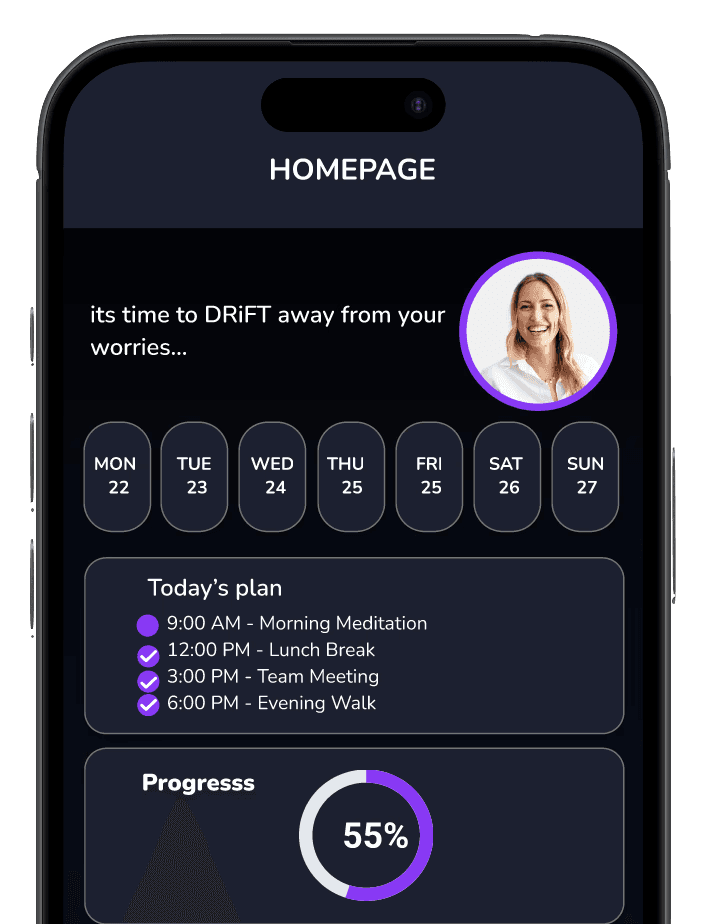
The Problem
Most sleep applications focus on measuring sleep after it happens.
They track hours slept, sleep cycles, and sleep scores, but they rarely address the behaviors that prevent users from falling asleep in the first place.
During initial research, I discovered a recurring pattern:
Users were not struggling with sleep itself—they were struggling with everything they brought into bed with them.
This included:
Overthinking and mental rumination
Excessive phone usage before sleep
Inconsistent bedtime routines
Notification interruptions during wind-down periods
The opportunity became clear:
How might we help users reduce cognitive overload before sleep instead of simply measuring sleep afterward?
RESEARCH
To understand:
What actually prevents users from falling asleep
Why sleep tracking alone fails to change habits
How digital behavior affects nighttime cognitive load
Research Goal
Competitive analysis
User surveys (18–35 age group)
Behavioral mapping of nighttime routines
Informal contextual interviews
Methods
KEY FINDINGS
Users often enter bed with unresolved thoughts and unfinished mental tasks.
Many participants described replaying conversations, worrying about responsibilities, or planning future tasks while attempting to fall asleep.
Finding 1
Tracking does not automatically change behavior.
Although users could see sleep data, they lacked guidance on what actions contributed to poor sleep quality.
Finding 2
Finding 3
Digital distractions remain one of the largest barriers to sleep consistency.
Notifications, social media scrolling, and late-night screen usage frequently disrupted bedtime routines.
USER FLOW

The research revealed that users needed more than sleep data.
They needed a system that could:
Reduce mental clutter
Minimize digital interruptions
Build healthier routines
Connect daily behaviors with sleep outcomes
This shifted the project from a sleep tracker to a behavioral intervention platform.
Defining the Opportunity
DESGIN STRATEGY
To address these findings, I designed Drift around three behavioral loops.
Users externalize thoughts through guided journaling before sleep.
Goal:
Reduce cognitive load and mental rumination.
1. Offload Loop
Automatic Do Not Disturb activation limits external interruptions.
Goal:
Protect users from digital distractions during bedtime.
2. Boundary Loop
Sleep outcomes are connected back to behavioral patterns.
Goal:
Help users understand how habits affect sleep quality.
Together, these loops create a system that supports behavior change rather than passive tracking.
3. Feedback Loop
WHY DARK MODE ?
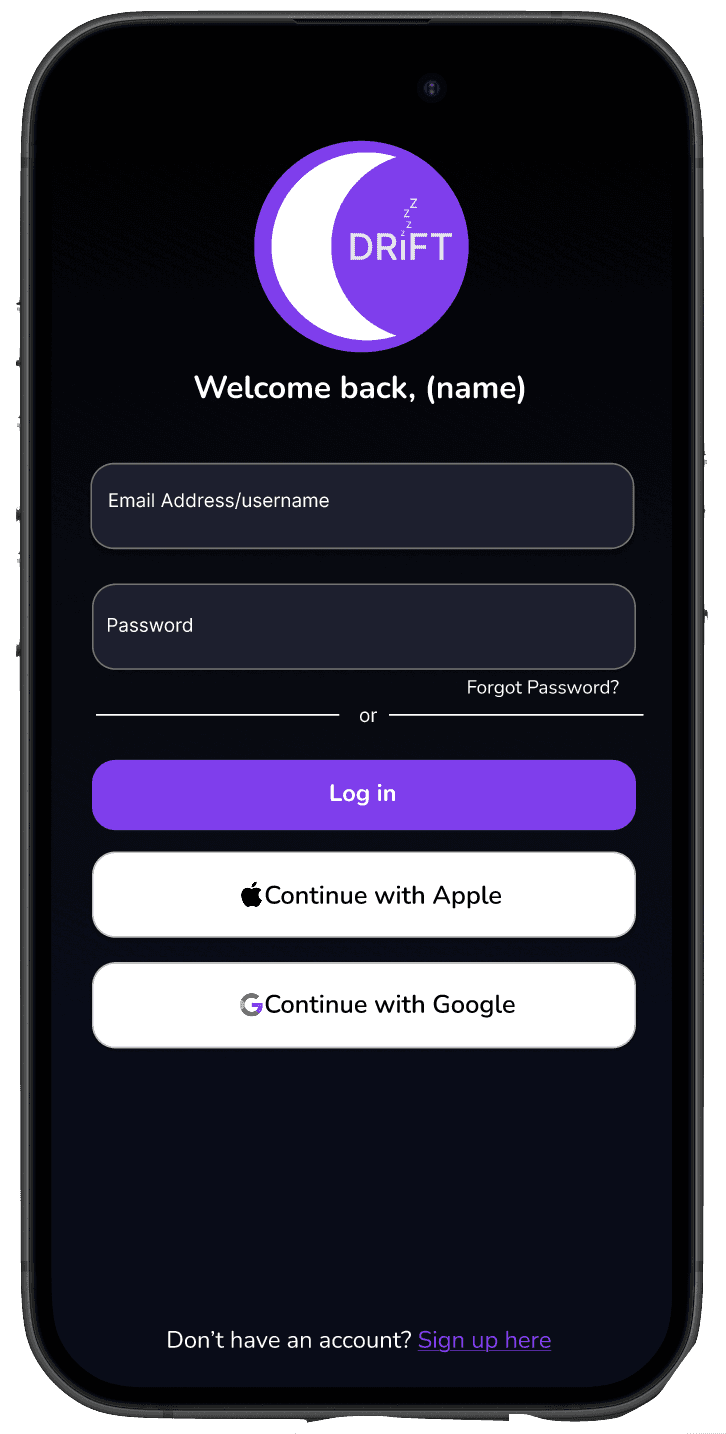
Drift uses a deep nighttime palette:
Background: #0E1220
Accent: #8A38F5
Primary: White
Design Rationale
Sleep-related interactions happen in a low-light environment, therefore:
Dark UI reduces visual stimulation
Prevents screen-induced alertness
Supports circadian wind-down behavior
Creates emotional calmness and focus
The interface is intentionally designed to feel like a “quiet space” rather than an app.”
KEY FEATURES
Smart Alarm System
Designed to support:
consistent wake cycles
reduced sleep fragmentation
routine reinforcement
The alarm is part of the behavior system, not a standalone tool.

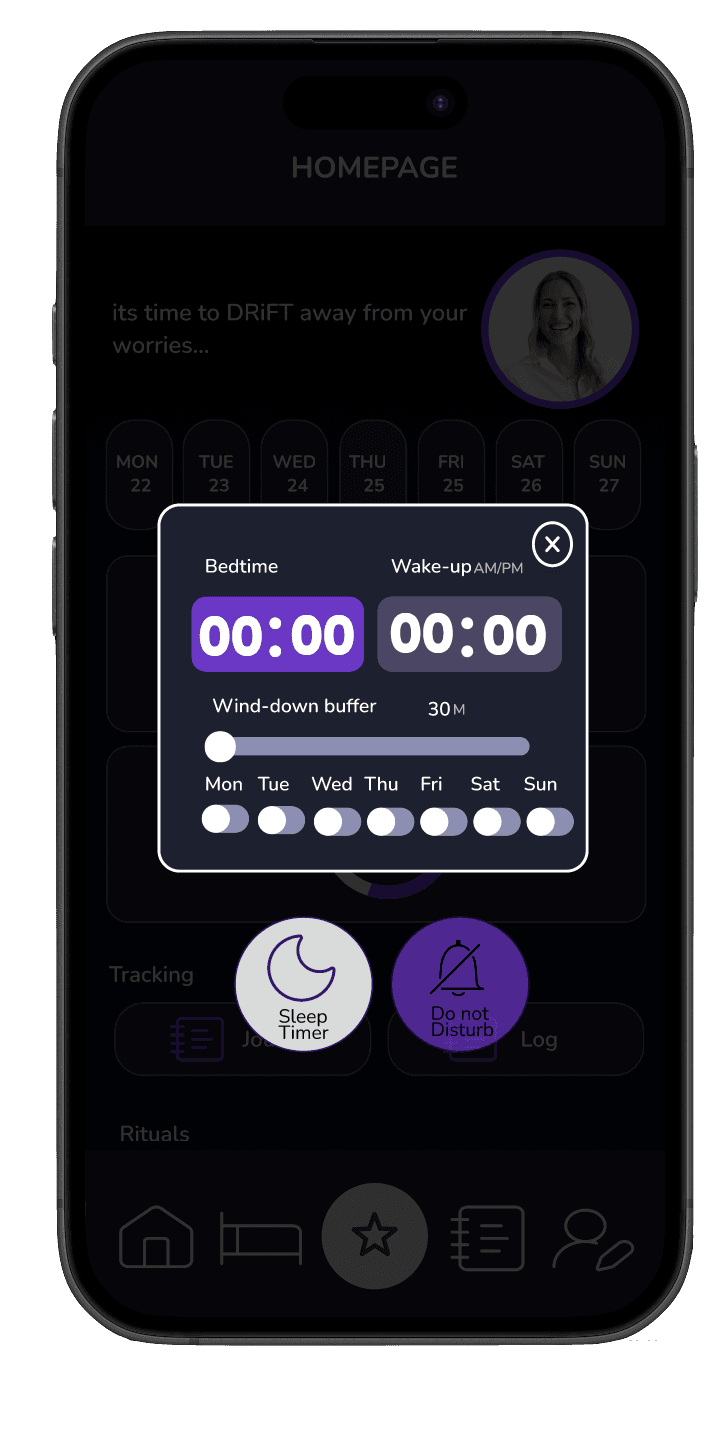
Do Not Disturb Automation
Participants often intended to avoid their phones but struggled to maintain that boundary.
To reduce reliance on willpower, Drift automatically activates Do Not Disturb during designated sleep windows.
This transformed sleep protection from a manual task into a system-supported behavior.
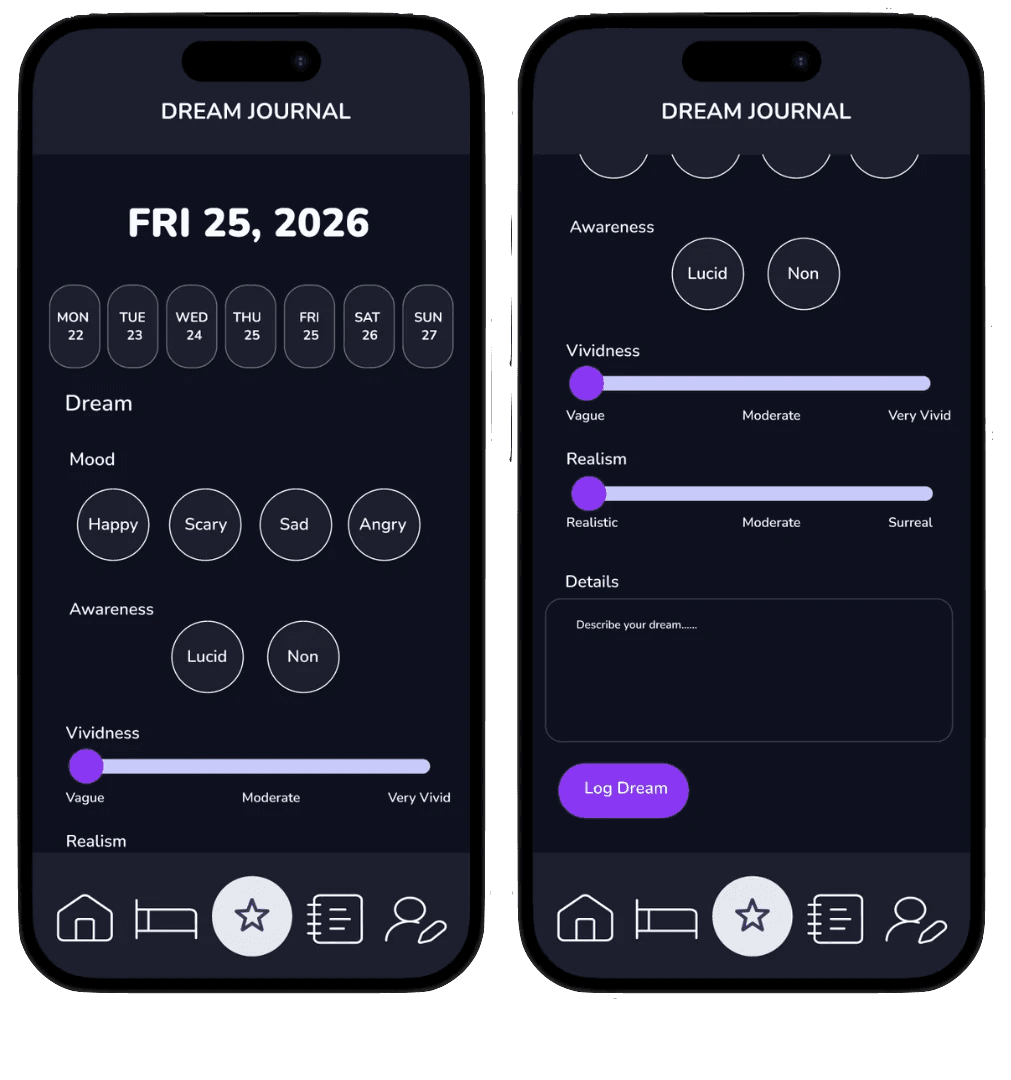
Daily Journal (Core Behavioral Intervention)
The journal is not a feature, it is a mental reset tool.
It helps users:
unload thoughts before sleep
reduce rumination
improve sleep latency
This directly targets the root cause of insomnia: cognitive carryover.

Editable Sleep Logs
Unlike most apps, Drift allows users to:
correct sleep history
adjust inaccurate logs
maintain ownership of data
Why this matters
Sleep is often misrecorded — correction improves long-term behavioral accuracy.
USABILITY TESTING
I conducted usability testing with five participants.
All participants successfully completed the sleep logging flow
Journaling was identified as the most emotionally valuable feature
DND automation was perceived as highly useful
Participants reported reduced mental effort during bedtime interactions
Results
Drift transformed sleep tracking into a behavioral support system.
Instead of asking users to interpret data and manage distractions on their own, the product actively supports healthier nighttime habits.
Participant feedback consistently highlighted one theme:
"It feels like it helps me stop thinking—not just track sleep."
Outcome
This project reinforced an important lesson:
Great user experiences do not simply present information—they influence behavior.
The most valuable insight from this project was recognizing that sleep is often a behavioral and cognitive challenge rather than a tracking challenge.
Designing for behavior change required focusing less on features and more on reducing friction, cognitive load, and decision-making.
Reflection
Future iterations could include:
Personalized sleep coaching
AI-powered behavioral recommendations
Wearable integrations
Adaptive bedtime routines
Predictive sleep quality insights
Next Steps

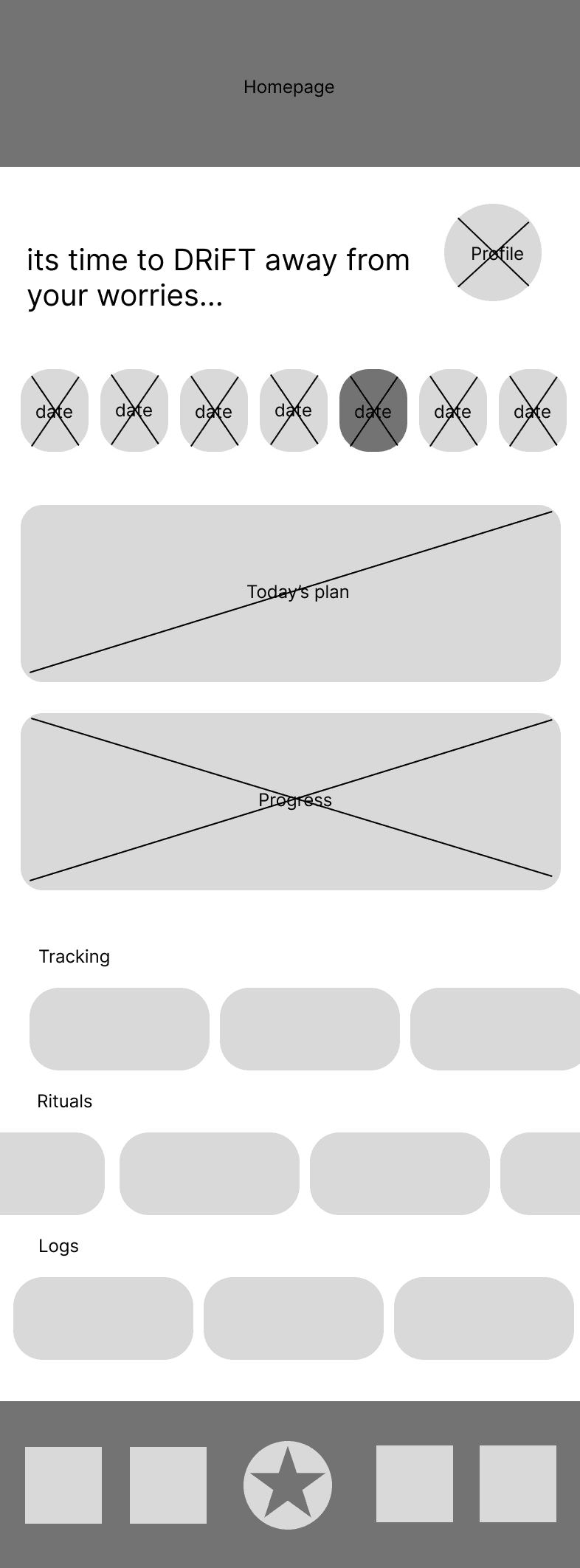
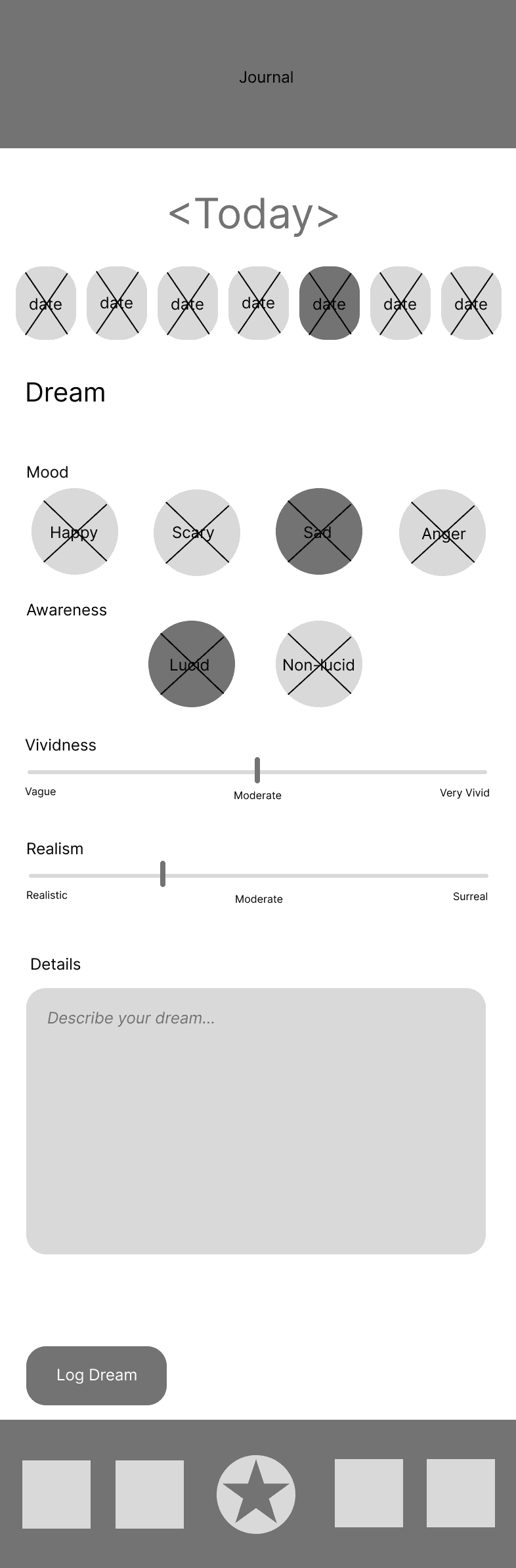
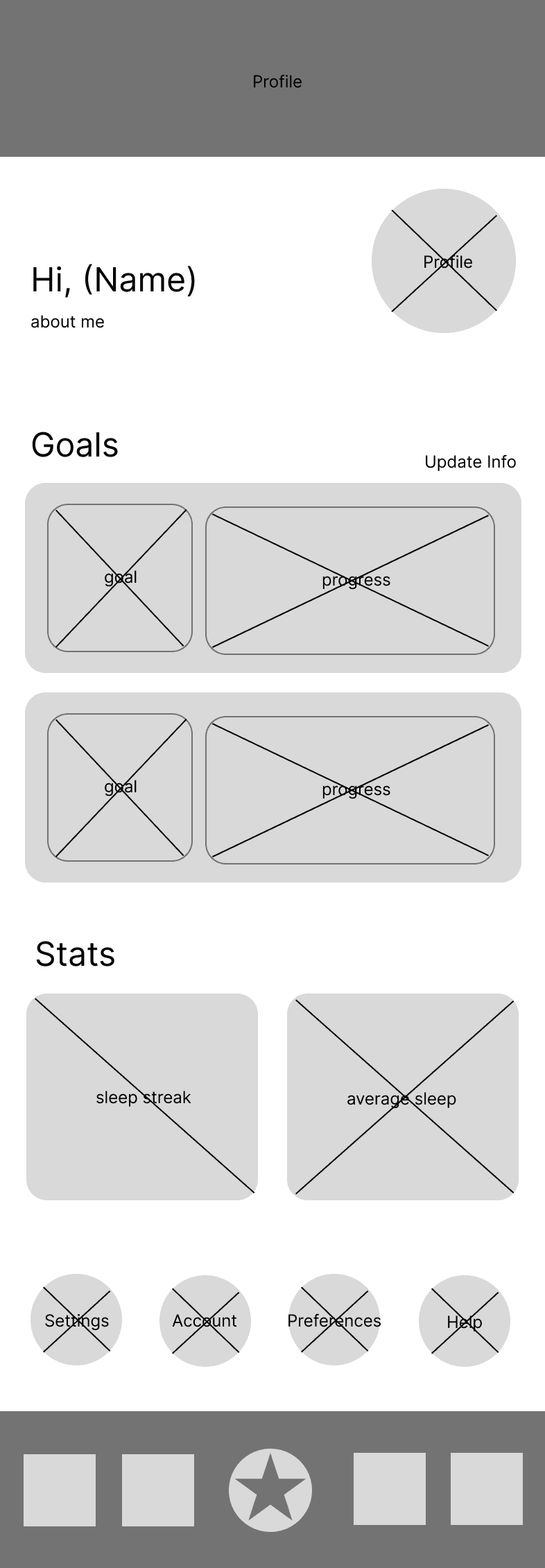
PAPER WIREFRAMES


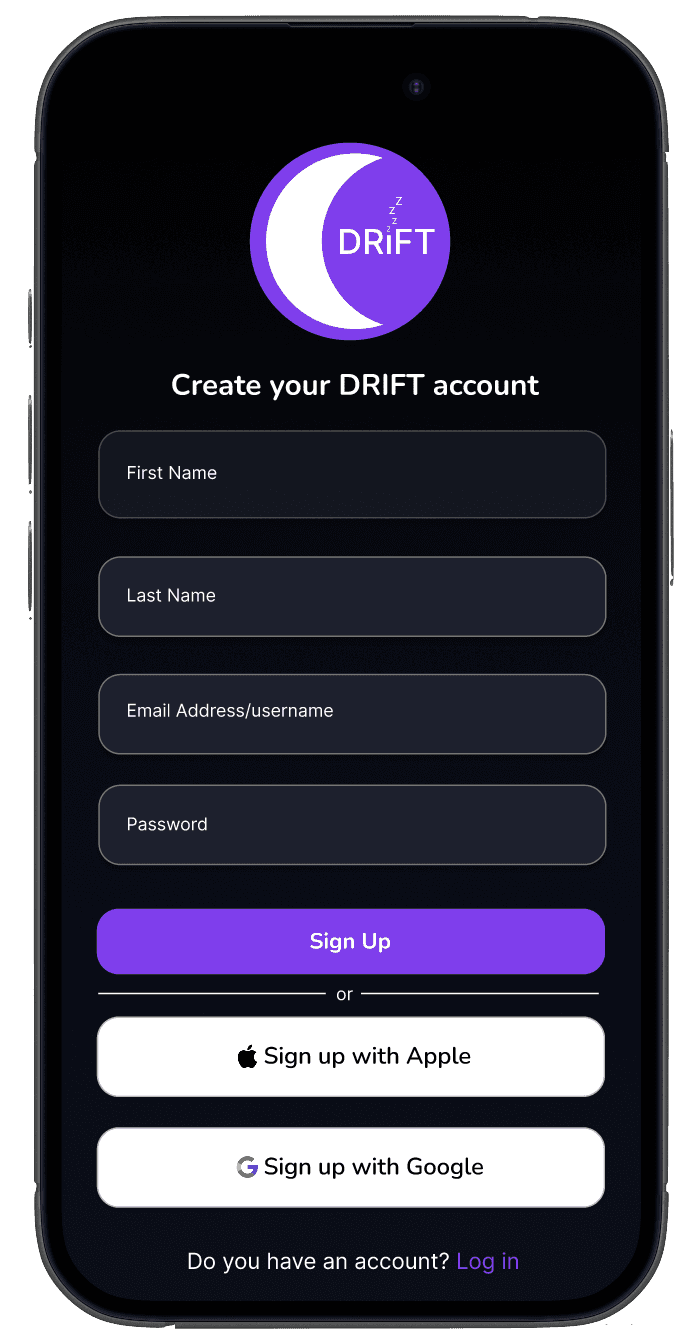
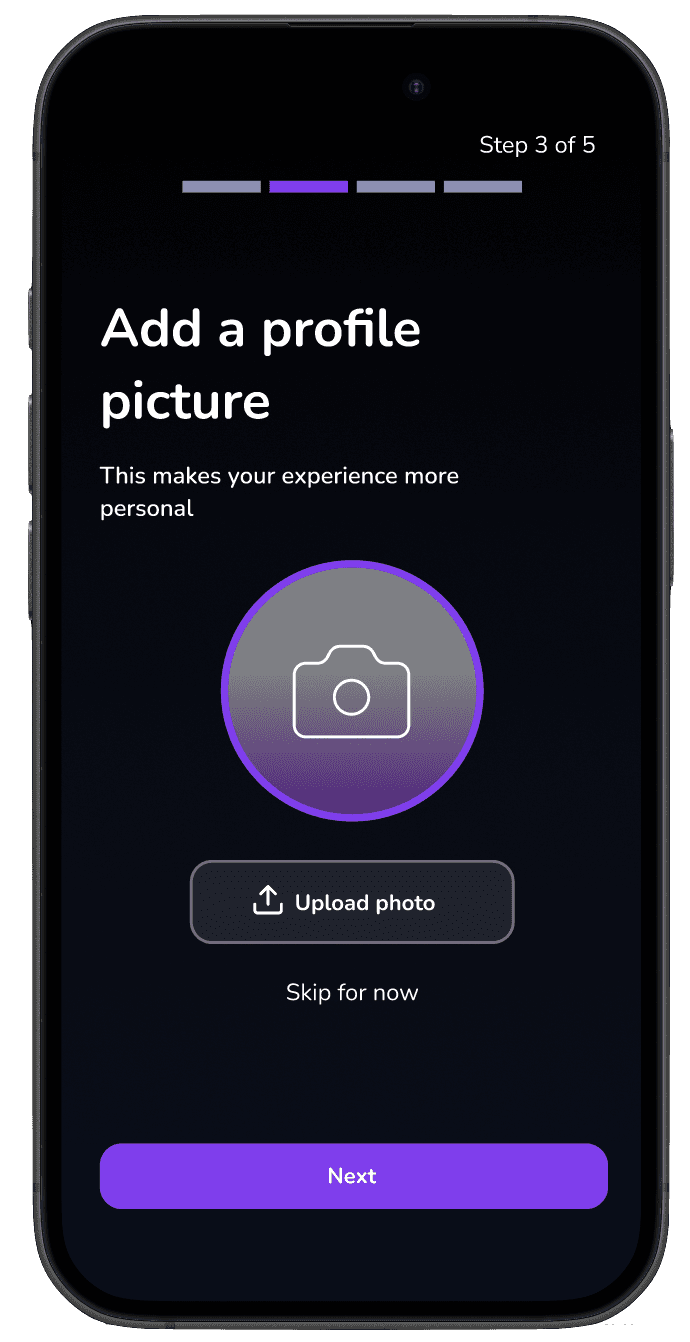
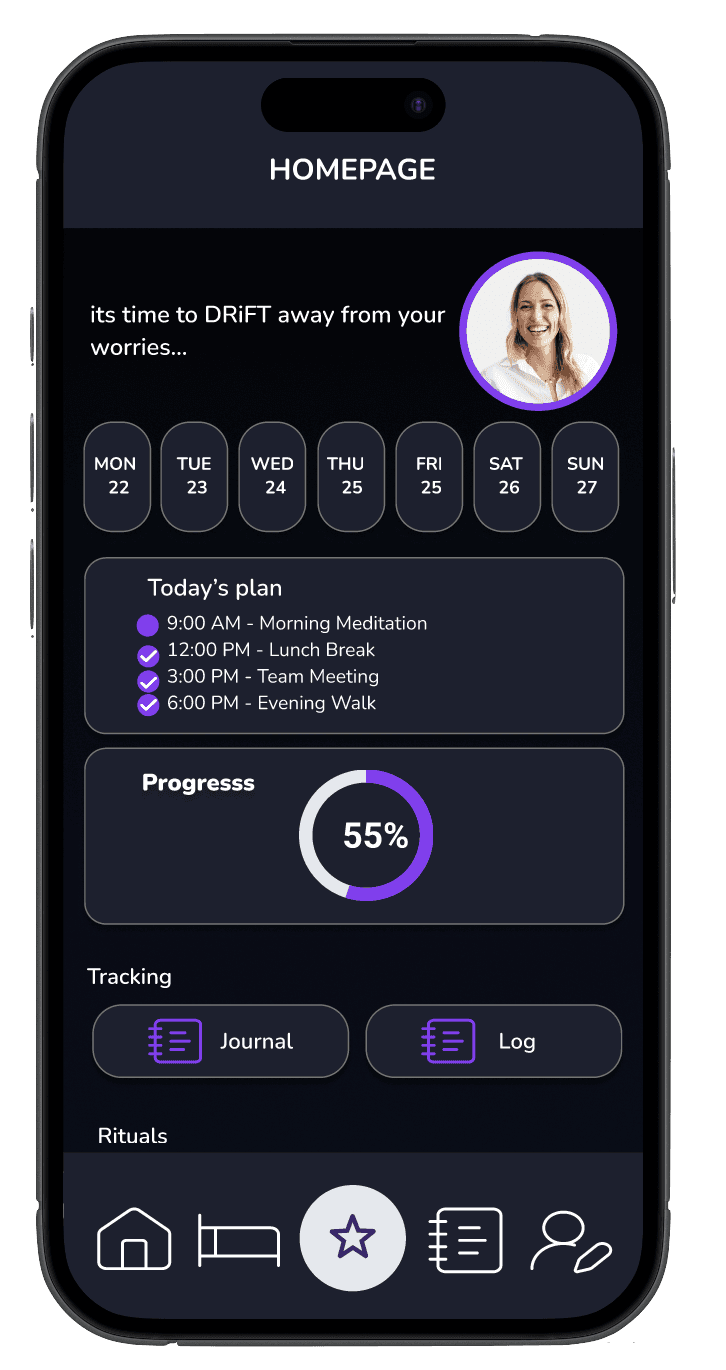
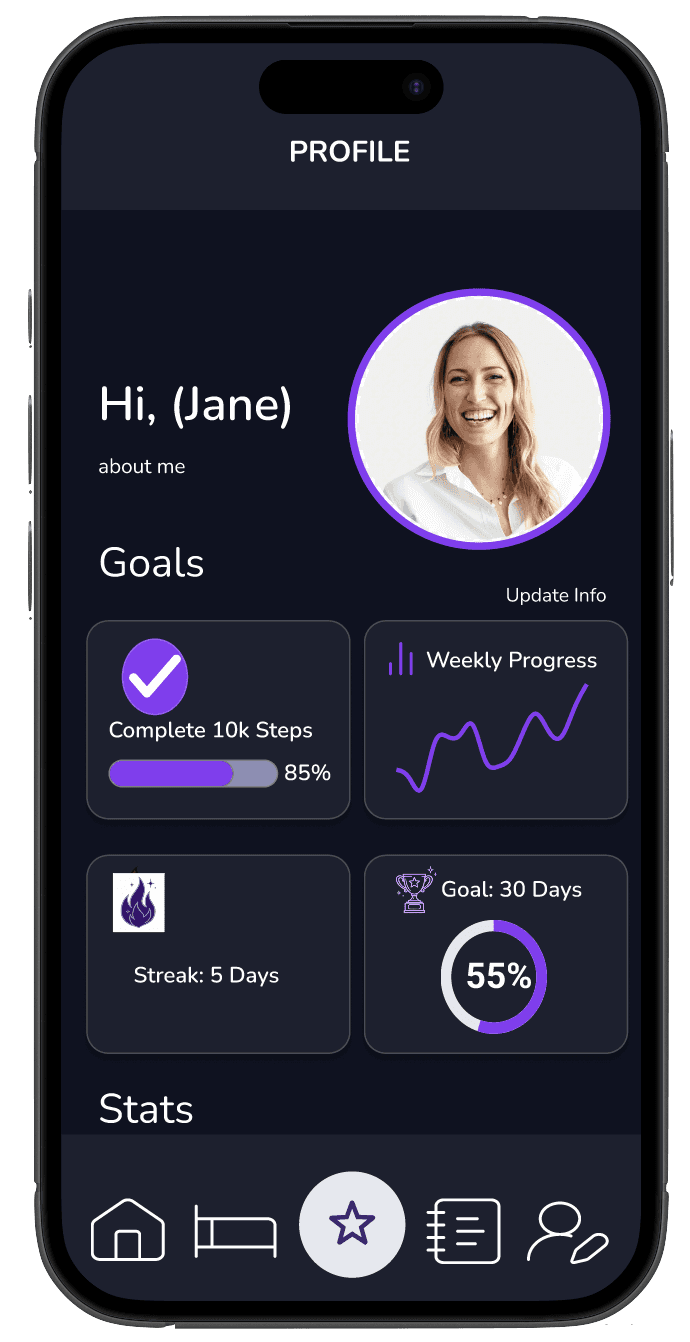
DIGITAL WIREFRAMES

Prototype available upon request
HI-FI MOCKUP

Contact
Let's Get in Touch
Let's connect and start with your project ASAP.
Or email divvytechdesign@gmail.com
Contact
Let's Get in Touch
Let's connect and start with your project ASAP.
Or email divvytechdesign@gmail.com
Contact
Let's Get in Touch
Let's connect and start with your project ASAP.
Or email divvytechdesign@gmail.com
DRIFT Sleep Wellness & Behavioral Recovery System
A behavioral sleep system designed to reduce nighttime cognitive overload, minimize digital stimulation, and help users build consistent, restorative sleep routines through journaling, smart interruption control, and sleep feedback loops.
The Problem
Most sleep applications focus on measuring sleep after it happens.
They track hours slept, sleep cycles, and sleep scores, but they rarely address the behaviors that prevent users from falling asleep in the first place.
During initial research, I discovered a recurring pattern:
Users were not struggling with sleep itself—they were struggling with everything they brought into bed with them.
This included:
Overthinking and mental rumination
Excessive phone usage before sleep
Inconsistent bedtime routines
Notification interruptions during wind-down periods
The opportunity became clear:
How might we help users reduce cognitive overload before sleep instead of simply measuring sleep afterward?
RESEARCH
To understand:
What actually prevents users from falling asleep
Why sleep tracking alone fails to change habits
How digital behavior affects nighttime cognitive load
Research Goal
Competitive analysis
User surveys (18–35 age group)
Behavioral mapping of nighttime routines
Informal contextual interviews
Methods
KEY FINDINGS
Users often enter bed with unresolved thoughts and unfinished mental tasks.
Many participants described replaying conversations, worrying about responsibilities, or planning future tasks while attempting to fall asleep.
Finding 1
Tracking does not automatically change behavior.
Although users could see sleep data, they lacked guidance on what actions contributed to poor sleep quality.
Finding 2
Finding 3
Digital distractions remain one of the largest barriers to sleep consistency.
Notifications, social media scrolling, and late-night screen usage frequently disrupted bedtime routines.
USER FLOW
The research revealed that users needed more than sleep data.
They needed a system that could:
Reduce mental clutter
Minimize digital interruptions
Build healthier routines
Connect daily behaviors with sleep outcomes
This shifted the project from a sleep tracker to a behavioral intervention platform.
Defining the Opportunity
DESGIN STRATEGY
To address these findings, I designed Drift around three behavioral loops.
Users externalize thoughts through guided journaling before sleep.
Goal:
Reduce cognitive load and mental rumination.
1. Offload Loop
Automatic Do Not Disturb activation limits external interruptions.
Goal:
Protect users from digital distractions during bedtime.
2. Boundary Loop
Sleep outcomes are connected back to behavioral patterns.
Goal:
Help users understand how habits affect sleep quality.
Together, these loops create a system that supports behavior change rather than passive tracking.
3. Feedback Loop
WHY DARK MODE ?
Drift uses a deep nighttime palette:
Background: #0E1220
Accent: #8A38F5
Primary: White
Design Rationale
Sleep-related interactions happen in a low-light environment, therefore:
Dark UI reduces visual stimulation
Prevents screen-induced alertness
Supports circadian wind-down behavior
Creates emotional calmness and focus
The interface is intentionally designed to feel like a “quiet space” rather than an app.”
KEY FEATURES
Smart Alarm System
Designed to support:
consistent wake cycles
reduced sleep fragmentation
routine reinforcement
The alarm is part of the behavior system, not a standalone tool.
Do Not Disturb Automation
Participants often intended to avoid their phones but struggled to maintain that boundary.
To reduce reliance on willpower, Drift automatically activates Do Not Disturb during designated sleep windows.
This transformed sleep protection from a manual task into a system-supported behavior.
Daily Journal (Core Behavioral Intervention)
The journal is not a feature, it is a mental reset tool.
It helps users:
unload thoughts before sleep
reduce rumination
improve sleep latency
This directly targets the root cause of insomnia: cognitive carryover.
Editable Sleep Logs
Unlike most apps, Drift allows users to:
correct sleep history
adjust inaccurate logs
maintain ownership of data
Why this matters
Sleep is often misrecorded — correction improves long-term behavioral accuracy.
USABILITY TESTING
I conducted usability testing with five participants.
All participants successfully completed the sleep logging flow
Journaling was identified as the most emotionally valuable feature
DND automation was perceived as highly useful
Participants reported reduced mental effort during bedtime interactions
Results
Drift transformed sleep tracking into a behavioral support system.
Instead of asking users to interpret data and manage distractions on their own, the product actively supports healthier nighttime habits.
Participant feedback consistently highlighted one theme:
"It feels like it helps me stop thinking—not just track sleep."
Outcome
This project reinforced an important lesson:
Great user experiences do not simply present information—they influence behavior.
The most valuable insight from this project was recognizing that sleep is often a behavioral and cognitive challenge rather than a tracking challenge.
Designing for behavior change required focusing less on features and more on reducing friction, cognitive load, and decision-making.
Reflection
Future iterations could include:
Personalized sleep coaching
AI-powered behavioral recommendations
Wearable integrations
Adaptive bedtime routines
Predictive sleep quality insights
Next Steps
PAPER WIREFRAMES
DIGITAL WIREFRAMES
Prototype available upon request
HI-FI MOCKUP
Contact
Let's Get in Touch
Let's connect and start with your project ASAP.
Or email divvytechdesign@gmail.com
Contact
Let's Get in Touch
Let's connect and start with your project ASAP.
Or email divvytechdesign@gmail.com
Contact
Let's Get in Touch
Let's connect and start with your project ASAP.
Or email divvytechdesign@gmail.com
DRIFT Sleep Wellness & Behavioral Recovery System
A behavioral sleep system designed to reduce nighttime cognitive overload, minimize digital stimulation, and help users build consistent, restorative sleep routines through journaling, smart interruption control, and sleep feedback loops.
The Problem
Most sleep applications focus on measuring sleep after it happens.
They track hours slept, sleep cycles, and sleep scores, but they rarely address the behaviors that prevent users from falling asleep in the first place.
During initial research, I discovered a recurring pattern:
Users were not struggling with sleep itself—they were struggling with everything they brought into bed with them.
This included:
Overthinking and mental rumination
Excessive phone usage before sleep
Inconsistent bedtime routines
Notification interruptions during wind-down periods
The opportunity became clear:
How might we help users reduce cognitive overload before sleep instead of simply measuring sleep afterward?
RESEARCH
To understand:
What actually prevents users from falling asleep
Why sleep tracking alone fails to change habits
How digital behavior affects nighttime cognitive load
Research Goal
Competitive analysis
User surveys (18–35 age group)
Behavioral mapping of nighttime routines
Informal contextual interviews
Methods
KEY FINDINGS
Users often enter bed with unresolved thoughts and unfinished mental tasks.
Many participants described replaying conversations, worrying about responsibilities, or planning future tasks while attempting to fall asleep.
Finding 1
Tracking does not automatically change behavior.
Although users could see sleep data, they lacked guidance on what actions contributed to poor sleep quality.
Finding 2
Finding 3
Digital distractions remain one of the largest barriers to sleep consistency.
Notifications, social media scrolling, and late-night screen usage frequently disrupted bedtime routines.
USER FLOW
The research revealed that users needed more than sleep data.
They needed a system that could:
Reduce mental clutter
Minimize digital interruptions
Build healthier routines
Connect daily behaviors with sleep outcomes
This shifted the project from a sleep tracker to a behavioral intervention platform.
Defining the Opportunity
DESGIN STRATEGY
To address these findings, I designed Drift around three behavioral loops.
Users externalize thoughts through guided journaling before sleep.
Goal:
Reduce cognitive load and mental rumination.
1. Offload Loop
Automatic Do Not Disturb activation limits external interruptions.
Goal:
Protect users from digital distractions during bedtime.
2. Boundary Loop
Sleep outcomes are connected back to behavioral patterns.
Goal:
Help users understand how habits affect sleep quality.
Together, these loops create a system that supports behavior change rather than passive tracking.
3. Feedback Loop
WHY DARK MODE ?
Drift uses a deep nighttime palette:
Background: #0E1220
Accent: #8A38F5
Primary: White
Design Rationale
Sleep-related interactions happen in a low-light environment, therefore:
Dark UI reduces visual stimulation
Prevents screen-induced alertness
Supports circadian wind-down behavior
Creates emotional calmness and focus
The interface is intentionally designed to feel like a “quiet space” rather than an app.”
KEY FEATURES
Smart Alarm System
Designed to support:
consistent wake cycles
reduced sleep fragmentation
routine reinforcement
The alarm is part of the behavior system, not a standalone tool.
Do Not Disturb Automation
Participants often intended to avoid their phones but struggled to maintain that boundary.
To reduce reliance on willpower, Drift automatically activates Do Not Disturb during designated sleep windows.
This transformed sleep protection from a manual task into a system-supported behavior.
Daily Journal (Core Behavioral Intervention)
The journal is not a feature, it is a mental reset tool.
It helps users:
unload thoughts before sleep
reduce rumination
improve sleep latency
This directly targets the root cause of insomnia: cognitive carryover.
Editable Sleep Logs
Unlike most apps, Drift allows users to:
correct sleep history
adjust inaccurate logs
maintain ownership of data
Why this matters
Sleep is often misrecorded — correction improves long-term behavioral accuracy.
USABILITY TESTING
I conducted usability testing with five participants.
All participants successfully completed the sleep logging flow
Journaling was identified as the most emotionally valuable feature
DND automation was perceived as highly useful
Participants reported reduced mental effort during bedtime interactions
Results
Drift transformed sleep tracking into a behavioral support system.
Instead of asking users to interpret data and manage distractions on their own, the product actively supports healthier nighttime habits.
Participant feedback consistently highlighted one theme:
"It feels like it helps me stop thinking—not just track sleep."
Outcome
This project reinforced an important lesson:
Great user experiences do not simply present information—they influence behavior.
The most valuable insight from this project was recognizing that sleep is often a behavioral and cognitive challenge rather than a tracking challenge.
Designing for behavior change required focusing less on features and more on reducing friction, cognitive load, and decision-making.
Reflection
Future iterations could include:
Personalized sleep coaching
AI-powered behavioral recommendations
Wearable integrations
Adaptive bedtime routines
Predictive sleep quality insights
Next Steps
PAPER WIREFRAMES
DIGITAL WIREFRAMES
Prototype available upon request
HI-FI MOCKUP
Contact
Let's Get in Touch
Let's connect and start with your project ASAP.
Or email divvytechdesign@gmail.com
Contact
Let's Get in Touch
Let's connect and start with your project ASAP.
Or email divvytechdesign@gmail.com
Contact
Let's Get in Touch
Let's connect and start with your project ASAP.
Or email divvytechdesign@gmail.com